Log Truck Insurance Explained: Physical Damage, Cargo, Bobtail & ICC Filings
By Josh Cotner
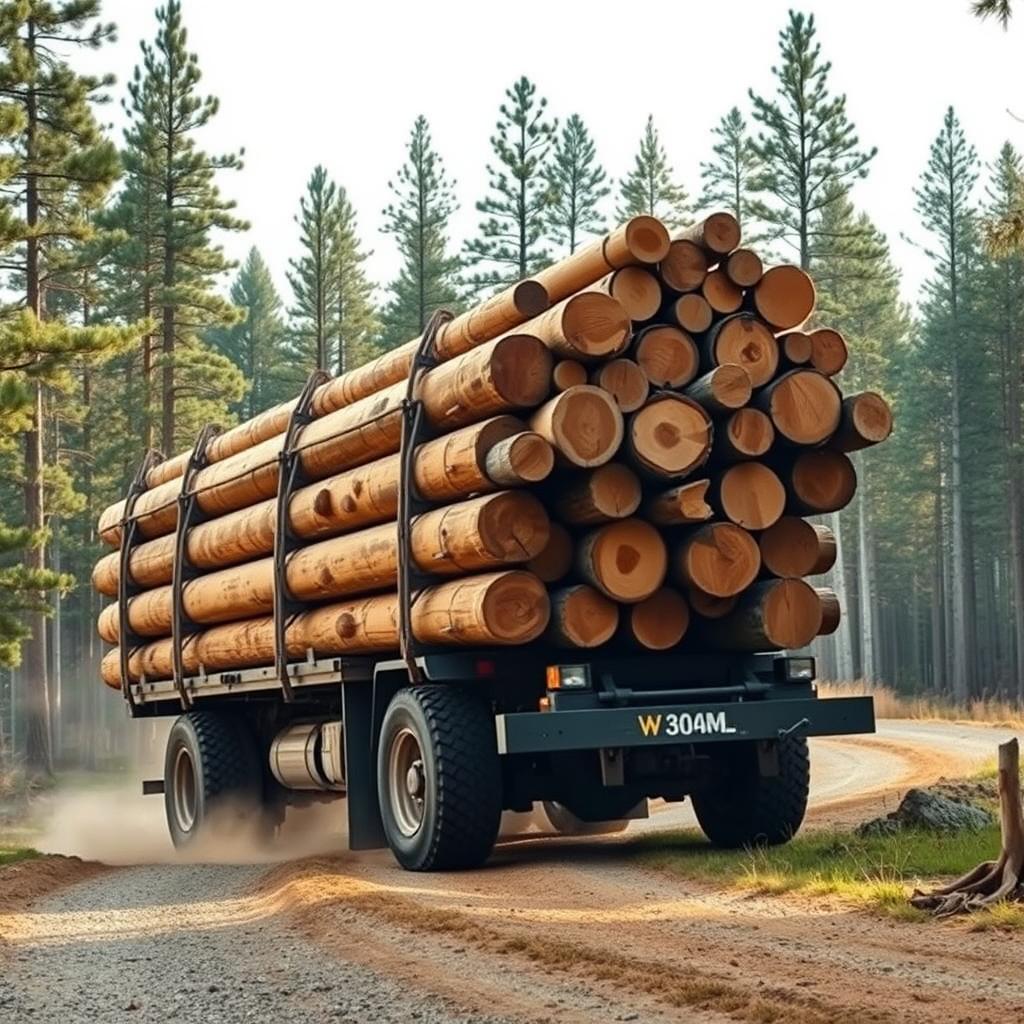
A log truck is not a dry van. The cargo is irregular (long logs on stakes with binders), the routes are forest roads and grades as much as interstates, and if you cross state lines for hire, you're into federal operating authority and a set of filings most truckers never see. Insurance that's written like a standard commercial auto policy will gap on you the first time a load shifts on a grade.
Here's what's actually in a log truck insurance program, and what each piece does.
The five parts of a log truck policy
1. Auto liability
Covers bodily injury and property damage you cause to others in an accident. If you run your own interstate authority (your own MC number), you carry primary auto liability — federal minimums are typically $750K–$1M depending on cargo. If you're leased to a carrier, their policy covers you under load and you carry bobtail or non-trucking for everything else (more on that below).
2. Physical damage
Covers your truck and trailer — collision, comprehensive (fire, theft, vandalism), and overturn. For a log truck, overturn is the coverage that matters most: a loaded trailer on a forest-road switchback is a real exposure, and a single rollover can total a power unit and trailer.
Physical damage is priced as a percentage of the truck's stated value, with a deductible you choose ($1,000–$2,500 is typical). Carry replacement cost on newer equipment; actual cash value on older iron.
3. Motor truck cargo — coverage for the logs
Cargo covers the freight (the logs themselves) against damage or loss in transit. For dry vans this is straightforward; for logs it has its own exposures:
- Binders and stakes failing on a grade or in a hard turn
- Logs shifting and damaging the trailer or coming off
- Unloading at the mill — logs rolling off the trailer is a real claim
We quote cargo limits that reflect the real value of your loads. The federal cargo minimum (for interstate authority) is $5,000 — which is wildly inadequate for a load of saw logs. Most log truck programs carry $25K–$100K in cargo.
4. Bobtail vs. non-trucking liability
These get conflated constantly. The distinction matters because the wrong one gaps on you.
- Bobtail covers you driving the truck without a trailer — typically after dispatch, returning empty.
- Non-trucking liability is broader — it covers personal-use driving when you're not under dispatch.
If you're leased to a carrier, your carrier's policy covers you while you're under load. You need bobtail or non-trucking for everything else, and which one depends on the lease. We read the lease and quote the right one — because the wrong one is a coverage gap that only shows up after an accident.
5. Motor truck general liability (MTGC)
MTGC covers business operations at the truck that aren't auto liability — loading and unloading, fueling, the truck as a "premises." It's often bundled with cargo. For log trucks, the loading/unloading exposure at the landing and the mill is the part that actually claims.
The federal filings: Form E and Form H
If you cross state lines for hire, you need FMCSA operating authority (an MC number). To get and keep that authority, you have to file proof of financial responsibility with the FMCSA:
- Form E — proof that you carry the required auto liability limits. Filed by your insurance company directly with the FMCSA.
- Form H — proof of cargo coverage. Also filed directly.
Your state may require its own filings on top — and some loads (oversize/overweight, which long logs often are) need separate permits. We file the federal forms as part of your policy and walk you through the state permit side. A lapsed filing is one of the most common reasons a load doesn't move — the broker or mill won't dispatch you without active authority.
What moves the log truck number
- Driver MVRs. Clean records price better. A recent DUI or suspension can make a driver uninsurable on the standard market.
- Radius of operation. Local / regional / long-haul all price differently.
- Cargo limits. Higher limits cost more — but the $5K federal minimum is not a real number for logs.
- Owned authority vs. leased. Owned authority = primary liability (more premium). Leased = bobtail/non-trucking (less premium, but you need the right form).
- Truck value and age. Drives physical damage premium. List realistic values — overstating value costs you premium, understating it costs you at claim time.
- Fleet size. Volume rating kicks in around 3+ power units.
The trailer interchange question
If you pull someone else's trailer (log trailer, lowboy, pole trailer) under a trailer interchange agreement, physical damage on that trailer is its own coverage — trailer interchange. It's cheap and it's the difference between a damage claim being covered or sitting on you personally. If you interchange trailers, ask for it.
How a log truck quote actually works
The fastest path to a real number:
- A 15-minute call — we learn your operation, authority status, driver roster, and equipment.
- Your driver MVRs and equipment list — the data the underwriter needs.
- Real quotes from markets that write log trucks — physical damage, cargo, liability, and filings, as one program — usually within a business day.
Most log truck quotes turn around in a business day once we have the data. Call 844-967-5247 and ask for the logging desk.
Need this coverage for your crew?
Get a real quote in about a day — we shop A-rated specialty markets that write logging.