General Liability — Forestry & Timber for logging & forestry
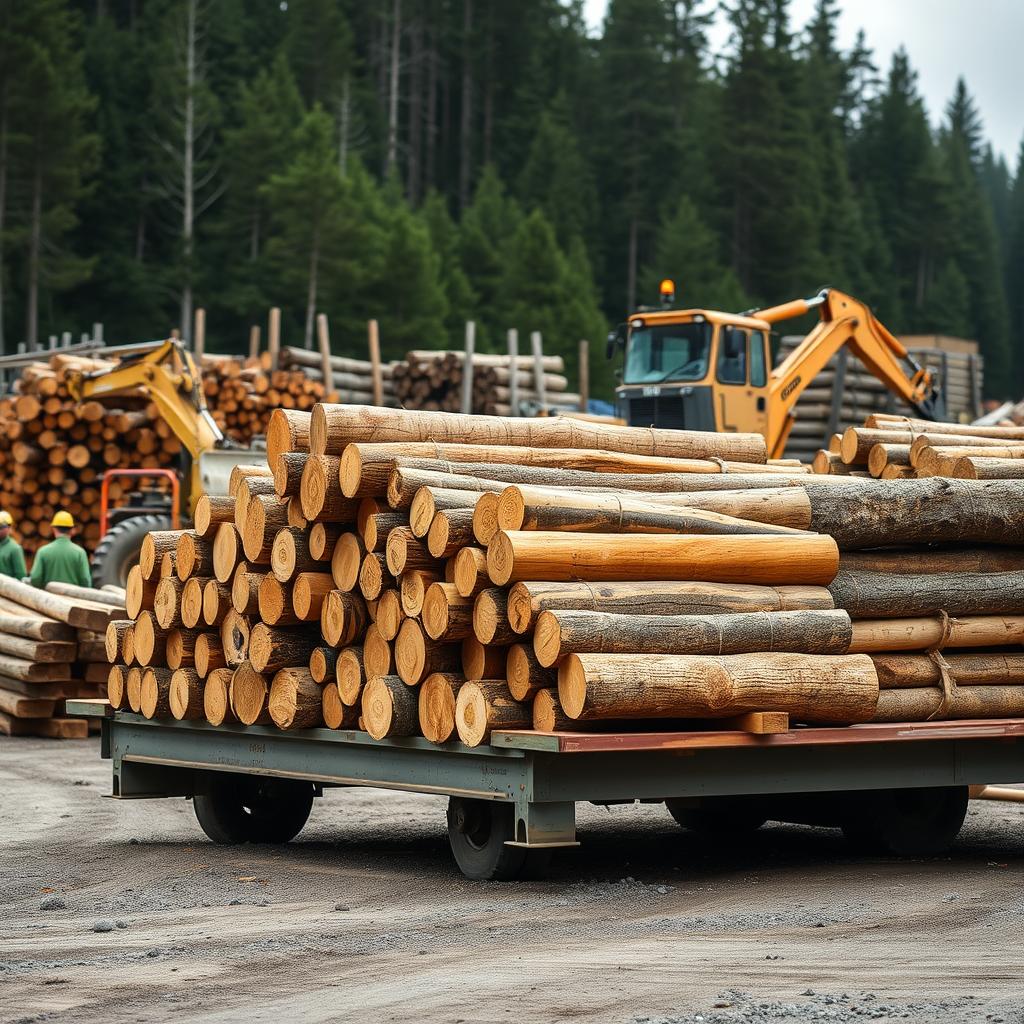
General liability for loggers is not a standard contractor GL. You need the Loggers Broad Form endorsement (coverage for the trees you're cutting and the work you're doing), loading and unloading at the landing, and completed-operations protection. Generic contractor GL excludes most of what you do.
What it covers
- Third-party bodily injury (hunters, hikers, adjoining landowners)
- Property damage — to others' land, structures, improvements
- Loggers Broad Form endorsement (LCP) — cutting/operations coverage
- Loading & unloading liability at the landing and mill
- Completed-operations coverage (post-harvest claims)
- Products / completed operations aggregate
- Personal & advertising injury
- Damage to rented premises (log decks, mill yards)
- Defense costs outside or inside the limit (market dependent)
Who it's for
- Logging contractors cutting on private, state, or federal timber sales
- Cable & mechanized operations near public access or adjoining land
- Loggers working under US Forest Service timber sale contracts
- Forestry operators with mill-delivery and unloading exposure
- Crews running their own log trucks with combined loading operations
Why CCA
The Loggers Broad Form is non-negotiable
Standard contractor GL excludes the trees and logs themselves, plus the operations of cutting, yarding, and loading. The Loggers Broad Form endorsement (sometimes called LCP) adds that coverage back. We don't quote a logging GL without it.
We handle US Forest Service contract requirements
Federal timber sale contracts have specific insurance requirements — limits, additional insured wording, endorsement forms. We issue the certificates and endorsements the contracting officer needs to sign your contract.
Coverage for the unloading exposure
A surprising share of logging GL claims happen at the mill — logs rolling off the trailer, binders releasing under load. We write loading/unloading liability that follows the logs all the way to the debarker.
General Liability — Forestry & Timber, in plain English.
The Loggers Broad Form (sometimes labeled LCP — Loggers Comprehensive Policy, or written as a broad-form endorsement to a standard GL) adds coverage for the property you're working on — the trees, logs, and the operations of felling, bucking, skidding, yarding, loading, and unloading. Without it, a standard contractor GL typically excludes the work itself and leaves the largest exposure in logging uncovered. We will not bind a logging GL without this endorsement in place.
$1,000,000 per occurrence / $2,000,000 aggregate is the floor for almost every timber buyer, mill, and landowner that will hire you — and US Forest Service contracts often require more (typically $1M–$5M depending on contract size), frequently paired with an umbrella. We commonly write $1M GL plus a $1M–$5M umbrella/excess to reach the contract thresholds you'll actually see.
Usually yes — virtually every private timber sale, state contract, and federal timber sale requires the landowner/buyer/contracting officer to be listed as additional insured, often with specific endorsement wording (CG 20 10, CG 20 37, or per-contract language). We issue additional insured certificates and the required endorsements at bind and on demand throughout the policy term.
No — standard GL excludes pollution. A hydraulic-line failure on a skidder or a fuel spill at the landing is a pollution loss and requires a separate Contractors Pollution Liability (CPL) policy. We almost always quote logging GL alongside a forestry CPL policy; see our Pollution Liability page.
Cutting outside the marked boundary or the wrong tract is a real exposure (timber trespass), and it's often contested under GL. The Loggers Broad Form extends coverage for the trees being harvested under contract; timber trespass outside the sale boundary is a separate question we discuss at bind, sometimes addressed by an errors-and-omissions / professional policy.
Related coverage
Ready to quote general liability — forestry & timber?
Tell us about your operation — we'll come back with real markets in about a day.