Pollution Liability — Forestry for logging & forestry
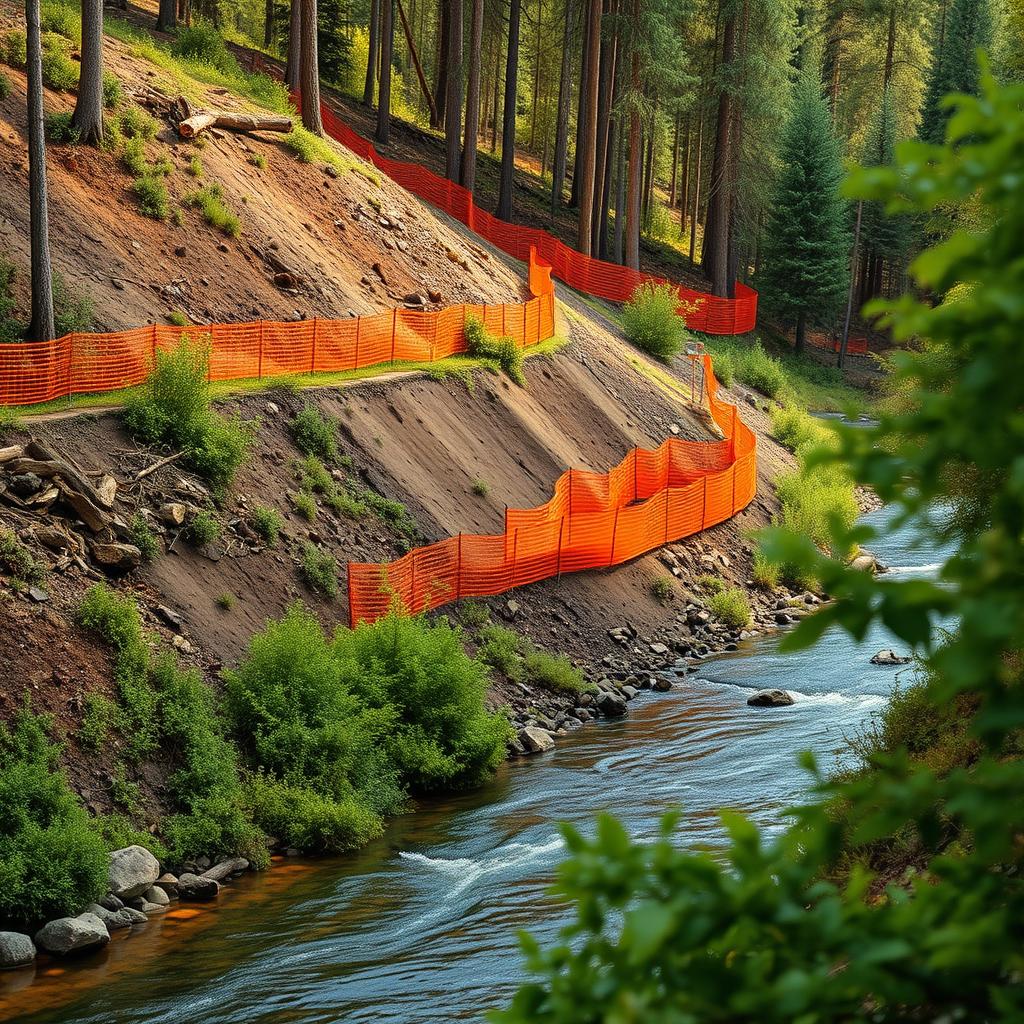
Logging has real pollution exposure — hydraulic and fuel spills at the landing, sediment and erosion running into streams, wetlands disturbance during site prep, and stump-grinding debris. Standard general liability excludes pollution outright. A forestry Contractors Pollution Liability (CPL) policy is the only thing standing between a spill and a six-figure cleanup.
What it covers
- On-site and off-site cleanup of fuel, hydraulic oil, and lubricant spills
- Bodily injury and property damage from a pollution condition
- Sediment / erosion runoff into streams and waterways
- Wetlands and riparian-area disturbance claims
- Third-party claims (downstream landowners, water users)
- Contractor-driven cleanup (you cause it, you clean it up)
- Loading-area and fueling-site spills
- Natural resource damages (where covered by the form)
- Defense costs for pollution claims
Who it's for
- Logging contractors working near streams, lakes, or wetlands
- Operations with on-site fueling or hydraulic equipment at the landing
- Crews on USFS / state timber sales with environmental stipulations
- Forestry contractors doing site prep, road building, or mechanical planting
- Loggers subject to state BMP (best management practice) requirements
Why CCA
Standard GL excludes pollution — we close that gap
Virtually every standard general liability policy contains an absolute pollution exclusion. A hydraulic-line failure on a skidder, a fuel spill at the landing, or sediment into a classified stream — none are covered by GL alone. A forestry CPL policy is how you close the gap.
We speak BMP, SMZ, and the federal contract language
Streamside Management Zones, Best Management Practices, and the environmental stipulations in federal timber sale contracts all create pollution exposures the underwriter needs to understand. We translate your operation into language the CPL market prices correctly.
Cleanup first, defense second
Pollution claims move fast — a spill in a stream is a same-day problem. We write CPL forms that prioritize cleanup with experienced environmental contractors, not just legal defense.
Pollution Liability — Forestry, in plain English.
The release of fuel, hydraulic fluid, lubricants, or other petroleum products at the landing or during fueling; sediment and erosion runoff into a stream, wetland, or waterway; disturbance of wetlands or riparian buffers during site prep or road building; and debris from grinding or mechanical site prep. Any of these can trigger a third-party claim, a state environmental enforcement action, or a federal timber sale contract issue.
Generally no. Standard general liability contains a pollution exclusion that removes coverage for most releases of petroleum products. Some GL forms have a very limited 'hostile fire' exception, but it is narrow and unreliable. A forestry CPL policy is the only reliable way to cover fuel and hydraulic spills at a logging operation.
Some do, depending on the tract and the contracting officer's stipulations. Even where it's not strictly required by the contract, federal timber sale environmental stipulations (SMZs, BMPs, sediment control) create real exposures that make a CPL policy prudent. We'll review your timber sale contract and quote the limits that match the actual exposure.
$1,000,000 per occurrence is the common floor for forestry CPL, and many timber buyers and landowners require it. Operations near sensitive waterways or with significant on-site fuel storage often carry $2M–$5M, sometimes stacked with an excess policy. We'll quote to your contract requirements and your actual site exposure.
Yes — that's the point. CPL covers pollution conditions arising from your contracting operations, whether the claim comes from a downstream landowner, a state agency, or your own discovery of a spill. Coverage includes the cleanup cost (often the largest component), third-party bodily injury and property damage, and defense.
Related coverage
Ready to quote pollution liability — forestry?
Tell us about your operation — we'll come back with real markets in about a day.