Logging Equipment / Inland Marine for logging & forestry
A feller buncher is a $400,000 machine. A skidder or processor costs more. When the iron goes over on a slope, catches fire, or gets hit at the landing, your inland marine policy is what stands between you and a season-ending loss. We schedule every piece — in transit, at the landing, and in the woods.
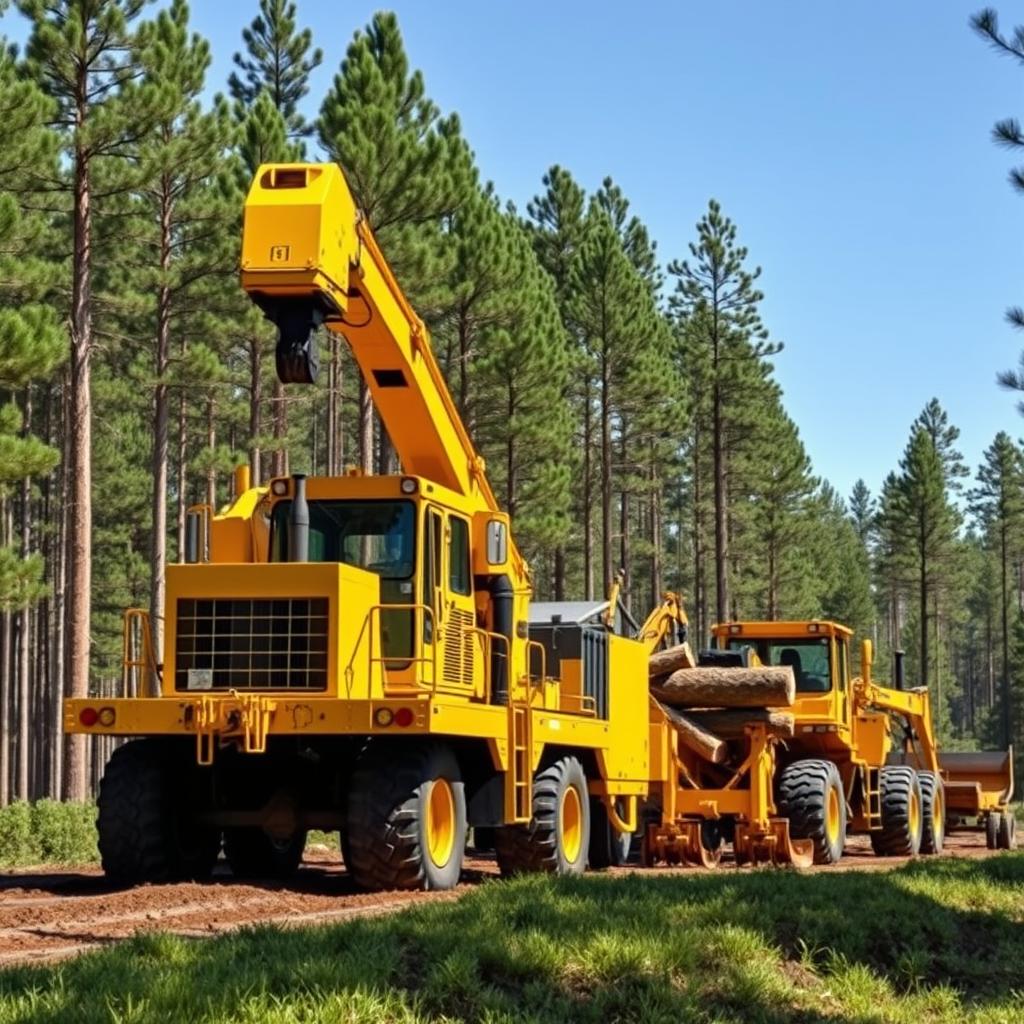
What it covers
- Scheduled equipment — feller bunchers, harvesters, processors
- Skidders (cable & grapple), forwarders, delimbers
- Knuckle-boom loaders, stroke delimbers, slash saws
- Cable yarders, tower skidders, carriage & rigging systems
- Chainsaws, power tools, and small equipment (scheduled)
- Perils: fire, theft, overturn, collision, flood, windstorm, vandalism
- In-transit coverage (lowboy haul between tracts)
- At-the-landing and in-the-woods coverage
- Rental reimbursement / extra expense to keep working
Who it's for
- Mechanized logging contractors running feller bunchers + skidders
- Cable / high-lead logging operations with yarders & carriages
- Logging contractors who move equipment between timber sales
- Operators financing equipment (lender will require listed loss payee)
- Crews with mixed owned/leased/rented iron
Why CCA
We know what a Tigercat vs a Deere costs to replace
Inland marine claims go sideways fast when the adjuster doesn't know the equipment. We document make, model, hours, and attachments at bind — so when a machine goes down the conversation is about getting it back to work, not about what it was.
Scheduled, not blanket
Blanket coverage leaves gaps. We schedule every serial-numbered machine with its agreed value or replacement cost, list your lender as loss payee, and update the schedule every time you add or trade equipment.
Coverage that follows the equipment
Your equipment moves — from tract to tract, on a lowboy, parked at the landing. We write inland marine that follows the iron, not a property form tied to one address.
Logging Equipment / Inland Marine, in plain English.
They're often used interchangeably for logging equipment. 'Inland marine' is the broad line of insurance for property that moves or doesn't sit at a fixed address; an 'equipment floater' is the specific form within that line that schedules your mobile equipment. For logging, we write an inland marine equipment floater that covers your machines in transit, at the landing, and working in the woods.
Yes — overturn is a covered peril on a properly written equipment floater, and it's one of the most common logging losses. Steep-slope operations should be disclosed at bind (some markets surcharge or exclude above a certain slope grade); we'll find the market that fits how you actually work.
Yes. We list the bank, captive finance arm, or leasing company as loss payee on the schedule at bind and provide the evidence of insurance (ACORD 28) they require. If equipment is added or financed later, we update the schedule and reissue the evidence the same day.
For newer equipment, replacement cost (RC) is almost always worth it — a 3-year-old feller buncher has a lot of useful life left but heavy depreciation on an actual-cash-value (ACV) basis. For older machines near end-of-life, ACV may make economic sense. We'll model both on the schedule and show you the difference.
Small unscheduled tools are typically covered under a tools-and-equipment schedule with a per-item and aggregate cap. High-value items (large saws, power tools) should be individually scheduled. Theft from an unsecured job site is a common exclusion to watch for — we write forms that cover job-site theft with reasonable security requirements.
Related coverage
Ready to quote logging equipment / inland marine?
Tell us about your operation — we'll come back with real markets in about a day.