Log Truck & Commercial Auto for logging & forestry
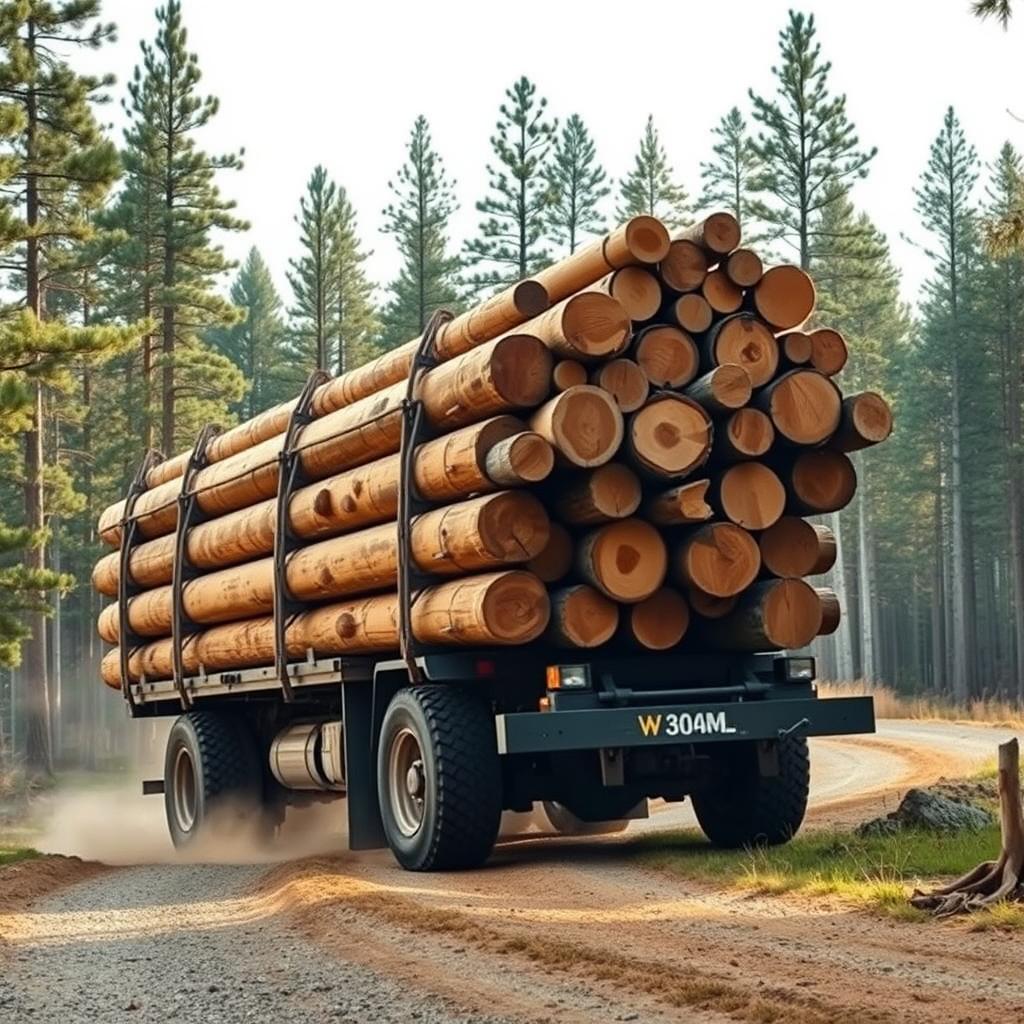
Log trucks are not standard commercial auto. Loaded trailers with stake binders, long log overhang, forest-road approaches, and ICC/MC authority requirements all change the risk. We quote physical damage, cargo, bobtail, and filings as a single coordinated fleet program.
What it covers
- Physical damage — collision, comprehensive, fire, theft, overturn
- Motor truck cargo — coverage for the logs in transit
- Bobtail / non-trucking liability (when dispatched or returning empty)
- Motor truck general liability (MTGC) for the for-hire operation
- ICC / MC authority filings (Form E & Form H) for interstate
- State-specific filings (Form H, SR22) where required
- Truckers' workers' comp for the driver class code
- Trailer interchange coverage (lowboys, pole trailers, log trailers)
- Rental reimbursement / downtime coverage
Who it's for
- For-hire log truck operators with ICC/MC authority
- Logging contractors running their own trucks to the mill
- Lowboy / heavy-haul operators moving logging equipment
- Single-truck owner-operators leased to larger carriers
- Fleets hauling poles, pulpwood, saw logs, or biomass
Why CCA
We handle the filings, not just the policy
ICC/MC authority requires Form E (proof of financial responsibility) and Form H (cargo) filings with the FMCSA — and your state may require its own. We file them. You don't lose days on a load because a filing lapsed.
Cargo built for logs, not pallets
Most cargo forms are written for dry vans. Log cargo has its own exposures — binders slipping, logs rolling on unloading, and shifting loads on forest-road grades. We write cargo forms that actually contemplate how you load and haul.
Fleet programs, not piecemeal quotes
We quote your trucks, trailers, drivers, and cargo as one program — so there are no gaps between the auto and cargo when a loaded trailer overturns on a forest road.
Log Truck & Commercial Auto, in plain English.
If you cross state lines for-hire, you need FMCSA operating authority (MC number) plus Form E and Form H filings proving you carry the required auto liability and cargo limits. Some states also require state-level filings or permits for oversize/overweight loads (long logs often qualify). We file the federal forms as part of your policy and walk you through the state permit side.
Bobtail covers you when you're driving the truck without a trailer (often after dispatch, returning empty). Non-trucking liability is broader — it covers personal-use driving when you're not under dispatch. If you're leased to a carrier, your carrier's policy covers you under load; you need bobtail or non-trucking for everything else. We'll quote the right one for your lease setup.
Yes — motor truck cargo covers the freight (the logs) against damage or loss in transit, up to the limit you carry. The exposures for logs are different than dry freight: binders and stakes can fail, logs can shift on grades, and unloading at the mill has its own hazards. We quote cargo limits that reflect the real value of your loads.
Yes. We write owner-operators whether you're leased to a larger carrier or running your own authority. The package typically combines your primary auto liability (when you have your own authority) or bobtail/non-trucking (when leased), plus physical damage on the truck and trailer, and cargo. Drivers' workers' comp is quoted separately under the appropriate trucking class code.
It depends on the truck, the driver's record, radius of operation, cargo limits, and whether you run your own authority. A single power unit with a clean record typically runs a few thousand dollars a year for liability plus physical damage; fleets get volume rating. The fastest way to a real number is a 15-minute call to the logging desk at 844-967-5247.
Related coverage
Ready to quote log truck & commercial auto?
Tell us about your operation — we'll come back with real markets in about a day.