Inland Marine Insurance for Logging Equipment: Skidders, Forwarders & Feller Bunchers
By Josh Cotner
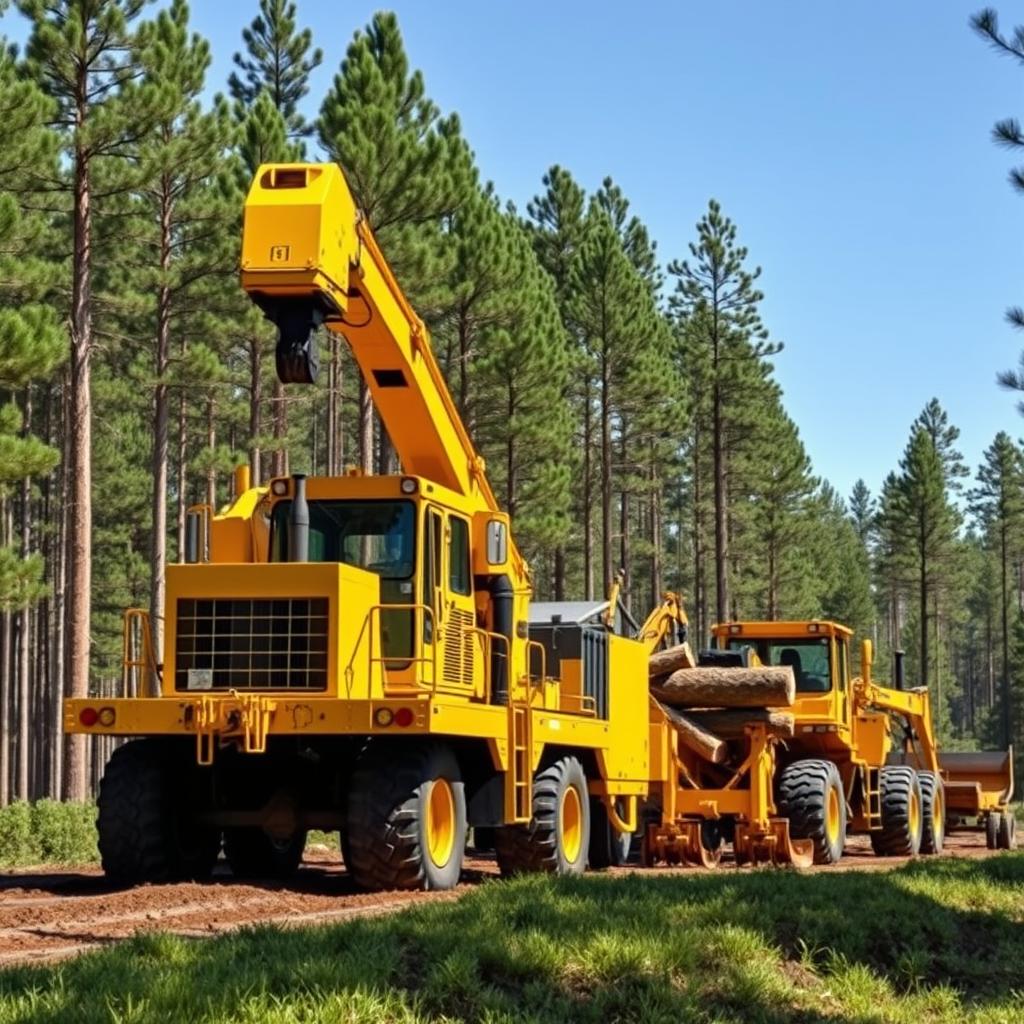
A Tigercat feller buncher is a $400,000 machine. A processor or stroke delimber costs more. A cable yarder with carriage and rigging is the most expensive single piece of iron some logging operations will ever own. When one of these goes over on a slope, catches fire at the landing, or gets hit by a haul truck, the difference between a season-ending loss and a manageable one is whether your inland marine equipment policy was written correctly.
Here's how logging equipment insurance actually works, and what we get right (and wrong) on the schedule.
Why it's called "inland marine" (and why that matters for loggers)
"Inland marine" is an old insurance term for property that moves — originally ocean cargo carried inland, now any equipment that doesn't sit at a fixed address. For loggers, that's the whole fleet: feller bunchers, skidders, forwarders, delimbers, loaders, yarders, and the saws and tools.
The reason it matters: a property form is tied to an address. An inland marine floater follows the equipment — from tract to tract, on a lowboy, parked at the landing, working in the woods. Logging equipment lives in all those places. Inland marine is the right form.
What to actually schedule
Schedule everything that's serial-numbered and high-value. Don't accept a blanket number.
- Feller bunchers and harvesters
- Processors and stroke delimbers
- Skidders (cable and grapple)
- Forwarders
- Knuckle-boom loaders
- Cable yarders, carriages, and rigging
- Slash saws and processors
- High-value chainsaws and power tools (individually, above a threshold)
Every serial number, make, model, year, hours, attachments, and the stated value (replacement cost or actual cash value). Lender listed as loss payee if financed. Updated every time you add, trade, or sell equipment.
Replacement cost vs. actual cash value
This is the decision that shows up at claim time. Two options:
- Replacement cost (RC). The insurer pays to replace the machine with a like-kind new one, minus your deductible. Right for newer equipment with useful life left.
- Actual cash value (ACV). The insurer pays the depreciated value of the machine. Right for older iron near end-of-life where replacement doesn't make economic sense.
For a 3-year-old feller buncher, RC is almost always worth the premium — a heavy depreciation curve on ACV can leave you $100K+ short of replacement. For a 15-year-old skidder, ACV may price better and you won't miss the RC at claim time. We model both on every scheduled machine and show you the difference.
The claim that matters most: overturn
The classic logging equipment loss is a machine that goes over on a slope. A feller buncher on a steep grade, a skidder that slips off a trail, a forwarder that flips on a wet landing. Overturn is a covered peril on a properly written floater, and it's one of the most common losses we see.
Slope disclosure is critical. Some markets surcharge or exclude operations above a certain slope grade (often expressed as a percent grade — 40%, 50%, etc.). Hiding steep-slope work to save premium is the worst mistake you can make: the claim gets denied for material misrepresentation, and you're out the machine and the premium. Disclose how you actually work — we'll find the market that fits.
The other common losses
- Fire. Hydraulic-line failures, fuel leaks, and electrical faults at the landing. A machine fire often takes adjacent machines with it.
- Theft. Small equipment (saws, tools) from an unsecured landing is the most common theft claim. High-value items should be scheduled; the form should cover job-site theft with reasonable security requirements.
- Vandalism. Less common, but real for equipment left at remote tracts.
- In-transit damage. A machine damaged on a lowboy haul between timber sales — covered if the floater follows the equipment in transit (it should).
The lender question
If you finance the equipment (bank, captive finance arm, leasing company), the lender will require:
- Listed as loss payee on the schedule.
- Evidence of insurance (ACORD 28) with their name and address.
We do both at bind and reissue the evidence every time equipment is added or financed. The most common lender-driven headache is a lender that wants its own specific endorsement wording — we handle that conversation so you don't.
Rental reimbursement / extra expense
When a machine goes down in the middle of a timber sale, the lost revenue is often bigger than the equipment damage. Rental reimbursement / extra expense coverage pays to rent a replacement machine (or otherwise keep working) while yours is being repaired. It's a small premium for a large exposure, and we recommend it for any operation with tight contract deadlines.
What a logging equipment quote actually takes
- The schedule. A list of every machine — serial number, make, model, year, hours, attachments, value (RC or ACV).
- How you work. Mechanized vs. cable, slope grades, whether you move equipment between tracts, security at the landing.
- Lender details. So we list them correctly at bind.
Most logging equipment quotes turn around in a business day. Call 844-967-5247 and ask for the logging desk — and have your equipment schedule ready.
Need this coverage for your crew?
Get a real quote in about a day — we shop A-rated specialty markets that write logging.