
What Flagstaff Homeowners Need to Know About Snow Load & Monsoon Claims
By Josh Cotner
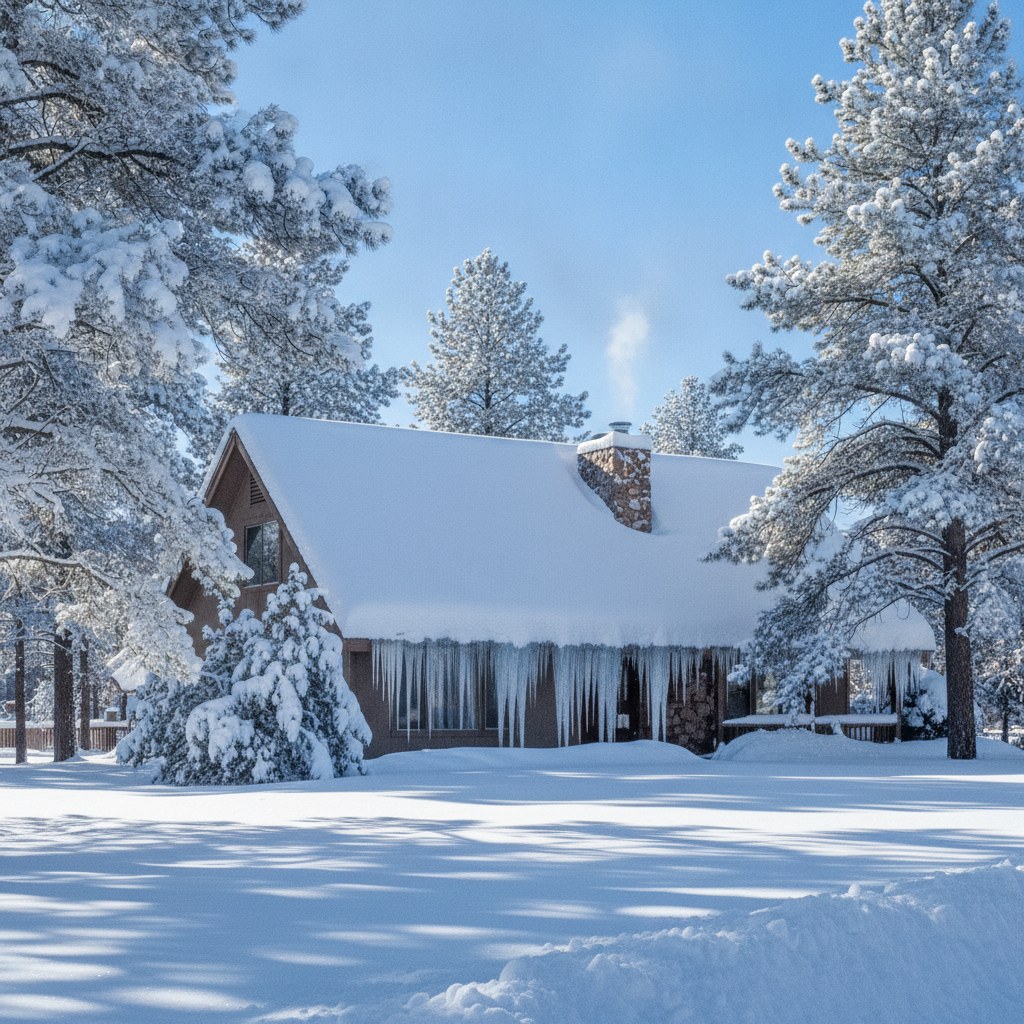
Flagstaff homeowners deal with two seasons most of Arizona never thinks about: a winter that buries the town in snow, and a summer monsoon that can flood a street in twenty minutes. Both are beautiful in their own way. Both can also do serious damage to your home.
The trouble is, a lot of homeowners don't find out what their insurance does and doesn't cover until they're staring at a sagging roof or a flooded basement. Let's fix that. Here's what Flagstaff homeowners need to know about snow-load and monsoon claims — and where you need a separate policy entirely.
Flagstaff Winters: One of the Snowiest Cities in America
At 7,000 feet, ringed by the San Francisco Peaks, Flagstaff regularly ranks among the snowiest cities in the United States. We can pick up over 100 inches in a season, with big single storms dumping two or three feet at a time. It's gorgeous. It's also a lot of weight sitting on your roof.
Roof Snow Load
Snow is heavier than it looks, especially the wet, dense snow we get when a warm storm rolls through. Pile up enough of it — particularly after a storm cycle without a melt — and the load can stress or even collapse a roof, sag a carport, or crush a shed.
The good news: a standard homeowners policy generally covers "weight of ice and snow" damage to your home. If snow load collapses a roof or damages the structure, your policy is designed to respond. To reduce the risk in the first place:
- Rake the roof after big storms, especially near the eaves and on lower spans.
- Keep an eye on flat or low-slope sections, carports, and additions — they're the usual trouble spots.
- Watch for warning signs like new cracks, sticking doors, or sagging ceilings.
Ice Dams
When snow on your roof melts and refreezes at the colder eaves, it forms an ice dam — a ridge of ice that traps water behind it. That water can back up under shingles and leak into your ceilings and walls. Ice dam damage to the interior is often covered, but prevention is far cheaper than a claim:
- Keep gutters clear before winter.
- Improve attic insulation and ventilation so your roof stays evenly cold.
- Address ice dams promptly before water finds its way in.
Frozen Pipes
A hard Flagstaff cold snap can freeze and burst pipes, especially in crawl spaces, exterior walls, and vacant or vacation homes around Munds Park, Kachina Village, and Mountainaire. A burst pipe can release a stunning amount of water fast.
Sudden, accidental water damage from a burst pipe is typically covered — but here's the catch: if the damage happened because you let the house get too cold (say, you turned the heat off while away), the claim can be denied for neglect. Protect yourself:
- Keep the heat on, even when you're away — never below the mid-50s.
- Insulate exposed pipes and let faucets drip during deep cold.
- Know where your main shutoff is so you can stop a flood fast.
Monsoon Season: Flash Floods, Hail, Wind, and Roof Leaks
Right as winter's a distant memory, the monsoon arrives — roughly July through September — bringing sudden, intense afternoon thunderstorms. After a long dry spring, these storms can be dramatic, and they bring their own set of claims.
Hail and Wind
Monsoon storms can drop hail and pack strong, gusty winds. Hail dents roofs, cracks skylights, and batters siding; wind tears off shingles and sends ponderosa pine branches — or whole limbs — onto roofs, cars, and fences. A standard homeowners policy generally covers wind and hail damage to your home and other structures. After a big storm, inspect your roof (or have a pro do it) and document any damage with photos.
Roof Leaks
The combination of an aging roof and a pounding monsoon downpour is a classic Flagstaff claim. If wind or hail first damages the roof and then rain gets in, the resulting interior water damage is usually covered. But if the roof was simply worn out and leaked from age and lack of maintenance, that's considered a maintenance issue and typically isn't covered. Keeping your roof in good shape protects both your home and your coverage.
Flash Flooding — Read This Part Carefully
Here's the single most important thing in this whole article: standard home insurance does NOT cover flood. Not from monsoon flash flooding, not from a wash that jumps its banks, not from water that rises up and into your home from the outside.
Monsoon flash floods are exactly the kind of event a homeowners policy excludes. In a hard summer storm, Flagstaff streets and washes can fill fast, and low-lying areas and properties near drainages are especially exposed. If floodwater enters your home, your homeowners policy will not pay for it.
Flood Is a Separate Policy — NFIP or Private
To be protected against monsoon flooding, you need a separate flood policy. Two paths:
- NFIP (National Flood Insurance Program) — the federal program, available through agents, covering your building and contents up to set limits.
- Private flood insurance — increasingly available, sometimes with higher limits or broader terms than NFIP.
A few things to know:
- You don't have to be in a high-risk flood zone to buy it — and plenty of flood claims come from properties outside mapped high-risk areas.
- Flood policies usually have a waiting period (often around 30 days) before coverage starts, so you can't wait for the monsoon clouds to gather and then buy it. Get it in place before summer.
- We can help you figure out whether your specific Flagstaff property needs flood coverage and which option fits.
Quick Reference: Covered vs. Not
For a typical Flagstaff homeowners policy:
- Generally covered: roof collapse from snow load, interior damage from ice dams, sudden burst-pipe water damage, hail and wind damage, storm-driven roof leaks after wind/hail damage.
- Generally NOT covered: flooding and flash floods (need separate flood insurance), gradual leaks and wear-and-tear, and damage from neglect — like a frozen pipe in a house you let go cold.
When in doubt, ask before the season hits, not after the storm.
Filing a Smart Claim
If snow or a monsoon storm does damage your home:
- Stop further damage if it's safe — tarp the roof, shut off the water, move belongings.
- Document everything with photos and video before you clean up.
- Keep receipts for emergency repairs and temporary fixes.
- Call your agent or carrier promptly to start the claim.
- Don't toss damaged items until the adjuster has seen them.
Get Ready Before the Next Storm
Flagstaff's weather is part of what makes living here so great — but it asks a lot of your home. The owners who come through snow load and monsoon season unscathed are the ones who reviewed their coverage before the storm, kept their roof and pipes in shape, and put flood insurance in place ahead of summer.
At Lumberjack Insurance, we live through these same seasons every year, and we'll make sure your home policy fits Flagstaff reality — snow load, ice, monsoon, and the flood gaps in between. Call us at 844-967-5247 for a free quote and coverage review. Let's get you ready before the next storm rolls in over the Peaks.
Need this coverage in Flagstaff?
Get a real quote fast — we shop multiple carriers to protect Flagstaff & Northern Arizona families and businesses.